
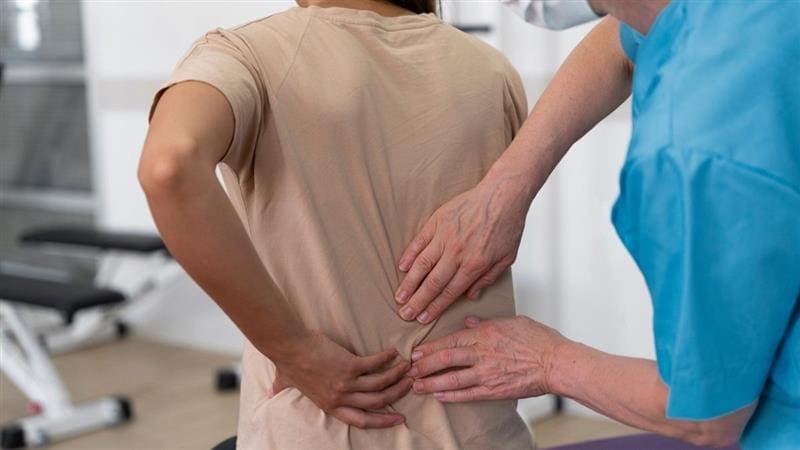
PRP (Platelet Rich Plasma) uses the body’s components to support tissue repair, modulate inflammation, and stimulate cellular activity involved in healing. With increasing popularity and search interest for terms like “platelet rich plasma therapy near me”, patients are eager to understand what PRP truly offers and what misconceptions they should ignore.
What exactly is PRP?
Myth #1: “PRP Is Just a Fancy Name for Blood Injection.”
- Promote tissue regeneration
- Stimulate collagen production
- Reduce inflammation
- Improve circulation
- Speed up recovery
Myth #2: “PRP Doesn’t Work for Lower Back Pain.”
- Lumbar disc degeneration
- Facet joint arthritis
- SI joint dysfunction
- Ligament sprains
- Chronic muscular injuries
With the help of image guidance, specialists can now accurately target the exact source of back pain dramatically improving success rates. Outcomes depend heavily on accurate diagnosis, proper imaging guidance, and selecting the right patients and pain generators.
Myth #3: “PRP Is Too Painful and Not Worth It.”
- Ultrasound or fluoroscopy assists precise injection
- Numbing agents reduce discomfort
- The procedure lasts only 5–10 minutes
- Patients resume daily activities almost immediately
Myth #4: “PRP Results Are Immediate - If It Doesn’t Work Right Away, It Never Will.”
Week 1-2: Reduction in inflammation
Week 3-6: Tissue repair
Week 6-12: Increased mobility and pain relief
Long term: Continued improvement
Myth #5: “PRP Is Experimental and Not Supported by Research.”
- Orthopedics
- Sports medicine
- Pain management
- Dentistry
- Dermatology
There are hundreds of clinical studies evaluating PRP, with growing evidence supporting its use for certain musculoskeletal and spine-related conditions.. Many professional athletes rely on Platelet Rich Plasma therapy for faster healing and injury recovery.
Myth #6: “PRP Is Not Safe.”
PRP is one of the safest regenerative treatments available. It uses your own blood, eliminating risk of allergic reaction or rejection.
Safety advantages include:
- No synthetic chemicals
- No steroids
- No long-term drug dependence
- Extremely low infection risk
- Performed with precision using imaging guidance
When performed by trained specialists, PRP has an excellent safety record with minimal side effects.
Myth #7: “PRP Is Only for Severe Injuries.”
- Lower back stiffness
- Early disc degeneration
- Chronic muscle tightness
- Mild ligament injuries
- Postural strain
- Age-related degeneration
Frequently Asked Questions (FAQs)
1. How long does a PRP injection take?
2. Is PRP better than steroids for lower back pain?
3. How many PRP sessions do I need?
4. Are PRP results permanent?
Conclusion
If you are searching for reliable and expert care, Capital Pain Center provides advanced PRP treatment options tailored to your condition, delivered with top-level accuracy and patient-centered care. Their experienced team is committed to helping you find long-term relief and restoring mobility through cutting-edge regenerative therapies.