
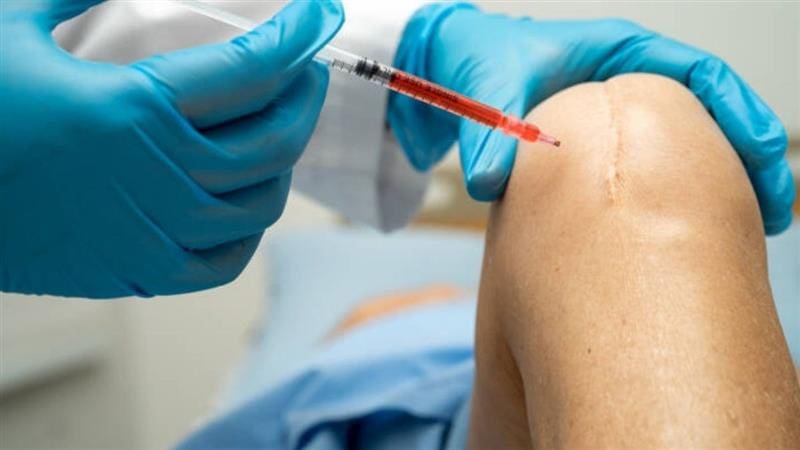
Understanding PRP and Its Role in Joint Repair
- Growth factors
- Cytokines
- Healing proteins
- Knee arthritis
- Rotator cuff injuries
- Tendon and ligament tears
- Chronic joint inflammation
- Sports injuries
1. Optimize Your Nutrition to Support Healing
What to Eat After a PRP Injection
Choose foods rich in:
- Omega-3 fatty acids (salmon, chia seeds, walnuts)
- Lean protein (eggs, chicken, tofu)
- Antioxidants (berries, leafy greens, citrus)
- Vitamin C (oranges, bell peppers, kiwi)
- Nutrients that support collagen synthesis, such as vitamin C and zinc
What to Avoid
- Processed foods
- Sugary snacks
- Excessive alcohol
- Fried or greasy meals
- High-sodium foods
2. Follow the Right Activity and Rest Balance
Rest Phase (First 48–72 Hours)
- Avoid heavy lifting
- Limit high-impact activity
- Use the joint gently
Gradual Mobility Phase (Days 3–14)
- Light stretching
- Controlled movements
- Short walks
Rehabilitation Phase (Week 2+)
- Begin physical therapy
- Incorporate strengthening exercises
- Focus on mobility and functional movement
3. Avoid Anti-Inflammatory Medications
Here’s a helpful way to maximize the results of PRP treatment.
PRP creates an inflammatory response to healing. That’s the very thing NSAIDs suppress.
Common NSAIDs to avoid before and after treatment include:
- Ibuprofen
- Advil
- Aleve
- Naproxen
- Aspirin (unless medically required)
Why Avoid Them?
What to Use Instead?
4. Commit to a Structured Physical Therapy Program
- Better mobility
- Stronger muscles supporting the joint
- Faster recovery
- Lower risk of reinjury
- Long-term improvement
Strengthening
Stretching
Range of Motion Exercises
Joint-Specific Rehabilitation
5. Stay Consistent With Follow-Up Treatments and Healthy Habits
- Severity of the injury
- Type of joint
- Individual healing rate
- Overall health
- Maintain a healthy weight
- Stay active
- Minimize stress
- Practice proper posture
- Avoid smoking
- Sleep adequately
Why Maximizing PRP Results Matters?
- Repair tissue more efficiently
- Reduce inflammation naturally
- Prevent future joint injuries
- Restore long-term mobility
- Avoid surgery and long-term medications
When searching for platelet rich plasma therapy near me, most patients choose PRP because it is safe, non-invasive, and enhances the body’s natural healing process rather than simply masking pain.
Conclusion
If you are ready to undergo regenerative joint treatment and want platelet rich plasma therapy, the trusted specialists at Capital Pain Center offer advanced PRP injection treatments that are tailored to you. Count on our expert team to relieve your pain quickly and restore healthy joint function using the latest techniques and patient-centered care.