Millions of people throughout the world suffer from chronic pain, which affects their general quality of life and disrupts their everyday activities. Chronic pain, whether brought on by an injury, arthritis, or diseases like fibromyalgia, can feel terrible and endless.
MLS Laser Therapy is an innovative technique that has drawn attention recently as conventional pain management techniques, including drugs, physical therapy, and surgery, continue to advance. For those looking for long-term pain management, this non-invasive, drug-free treatment is a good option because it offers a promising strategy for lowering pain, hastening recovery, and enhancing function.
There are many choices available for managing chronic pain, but they frequently have drawbacks or unintended side effects. While conventional therapies like painkillers can provide short-term respite, they usually just treat the symptoms rather than addressing the root cause of the pain. Moreover, there is a chance of reliance and a number of other health issues with painkillers, particularly opioids. Another popular strategy is physical therapy, which aims to restore function and mobility. However, it takes a lot of time and effort, and it might not work for all kinds of pain.
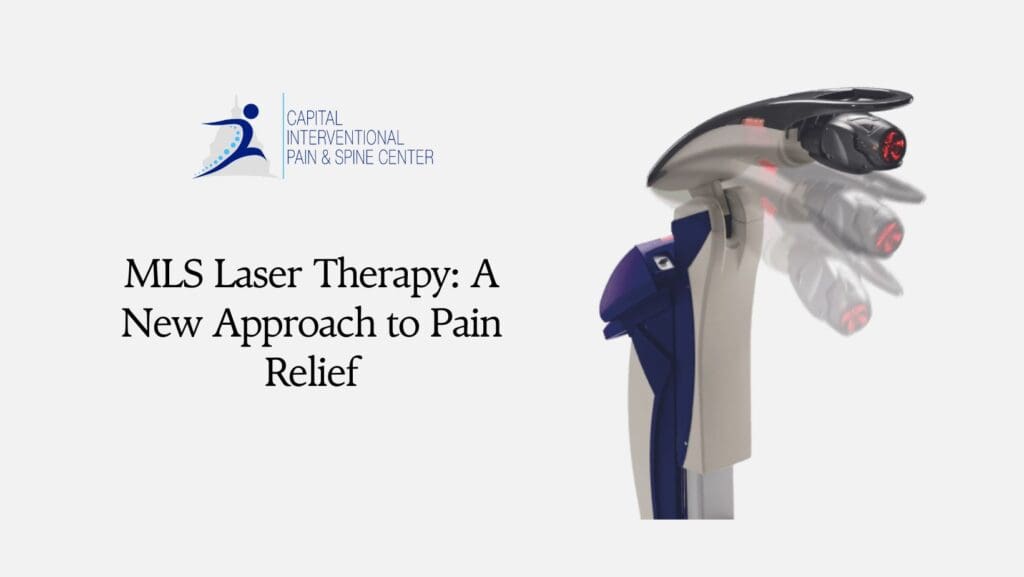
MLS Laser Therapy refers to Multiwave Locked System Laser Therapy, a modern technique aimed to reduce pain and inflammation and encourage tissue healing. MLS Laser Therapy mixes several light wavelengths, allowing for deeper penetration and more effective therapy than typical laser therapies, which only use one. The laser is extremely adaptable due to its multi-wavelength approach, which enables it to target multiple tissue types at once and produce analgesic and anti-inflammatory effects.
The treatment increases the cells’ metabolic activity by stimulating the mitochondria with the laser’s light energy. This improved cellular function promotes quicker tissue regeneration and lessens pain and inflammation by speeding up the body’s natural healing processes. For people with hectic schedules, the procedure is a convenient choice because it is completely non-invasive and usually involves no recovery time.
What makes MLS Laser Therapy even more appealing is its uses. Numerous ailments, including musculoskeletal injuries, joint pain, arthritis, pain following surgery, and even pain related to nerves, can be treated with it. Patients who are hoping to avoid surgery or who have not achieved relief with more conventional procedures are frequently advised to try the treatment. Furthermore, the therapy is painless, and patients frequently describe feeling warm and comforted during the procedure. After just a few sessions, noticeable benefits are frequently observed, and most sessions last between 10 and 20 minutes.
The field of pain management has advanced significantly using MLS Laser Therapy. For people with chronic diseases, its non-invasive nature, along with its capacity to accelerate healing and reduce pain, offers a much-needed option. For those who have had trouble with invasive treatments, physical therapy, or painkillers, MLS Laser Therapy provides a low-risk, drug-free alternative to enhance function and lessen pain.
MLS Laser Therapy is a safe, efficient treatment that acts at the cellular level to produce long-lasting relief, whether you’re battling arthritis, sports injuries, joint pain, or even pain following surgery. With the increasing popularity of this innovative therapy, there is hope that chronic pain won’t have to be a permanent condition in the future. People can take back control of their life by adopting this innovative method of pain management, which restores comfort and movement without the need for more drastic therapies or drugs.
To sum up, MLS Laser Therapy is a strong, practical choice for people who want to control and eventually get rid of chronic pain. It is a great option for anyone looking for a novel approach to pain reduction because of its innovative technology, non-invasive procedures, and quick recovery. As the medical community continues to investigate its possibilities, patients should expect even more advances in pain management in the coming years.